A Seamless
SCADA System
Built Around Your Needs

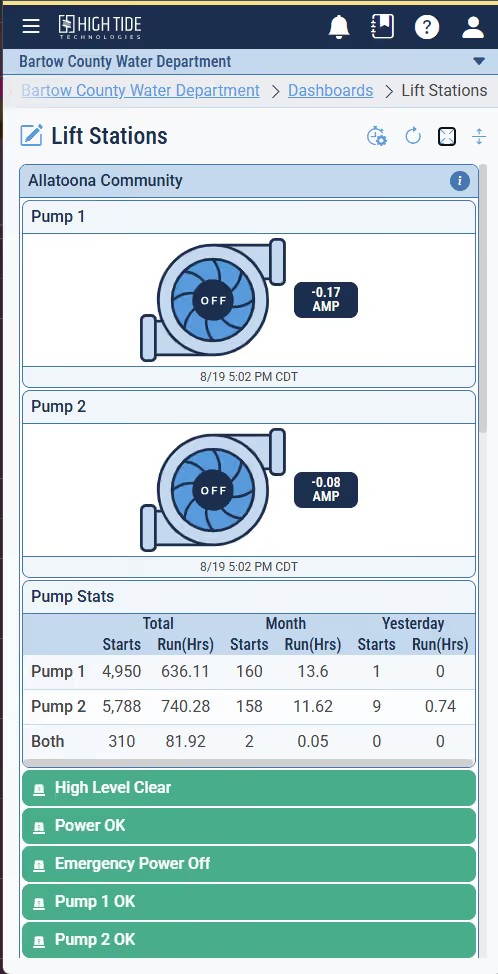
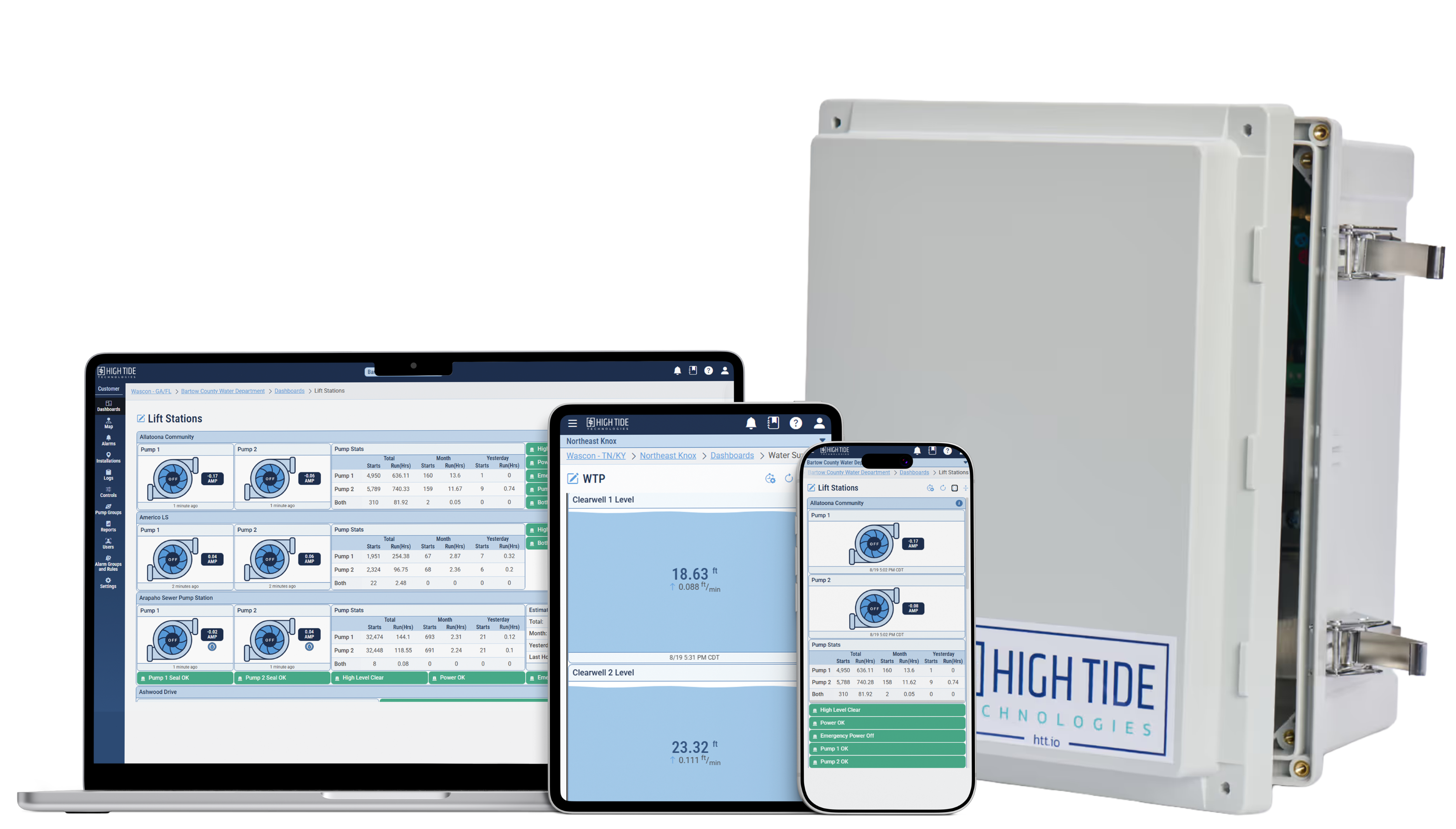
HTT Hardware and Software Connect in a Seamless SCADA Platform, Allowing You to Monitor Your Systems, from Anywhere, in Real-Time.

Contact Sales

The Problem with Legacy Systems

Legacy SCADA Wasn’t Built for Today’s Utility Operations. Utilities and operators are being asked to do more with fewer resources — but traditional SCADA systems make it harder, not easier. Below are just a few common issues operators are facing:

Legacy SCADA Systems are Overly Complicated

Dated systems were designed around specialized expertise, requiring integrators, or even dedicated SCADA Engineers to configure, perform maintenance, and expand the systems.

Because of this, operators frequently have to deal with complex systems, hidden costs, remote accessibility and aging, confusing interfaces.

Hidden Costs are one of the biggest frustrations with legacy SCADA Systems

While the initial purchase price may seem manageable, many platforms charge additional fees for expanding the system, including costs for new tags, users, alarms, data storage, reporting features, or software licenses.

Limited access is a common drawback, especially for organizations managing multiple sites or responding to issues after hours.

Many older platforms were designed for use on local networks and desktop workstations, making remote access difficult, unreliable, or dependent on complex VPN and third-party solutions.

Outdated interfaces can also make it harder for operators to quickly find critical information and respond to alarms when away from the control room. This lack of accessibility can delay decision-making, increase downtime, and reduce operational visibility.

Security risks become a growing concern as legacy SCADA systems age and struggle to keep pace with modern cybersecurity requirements.

Many older platforms rely on outdated infrastructure, unsupported software, and lengthy patching cycles, leaving critical operational systems vulnerable to cyber threats. In some cases, remote access capabilities were added after deployment rather than built into the original design, creating additional points of exposure. As utilities and industrial facilities become increasingly connected, these vulnerabilities can put system availability, operational data, and critical infrastructure at risk.

The Solution

High Tide Technologies is an integrated hardware and cloud software SCADA platform for water and wastewater operations. Get real-time visibility, control, and actionable data — without the complexity or costs of legacy systems (Hardware and Software included).
Legacy SCADA Systems are Overly Complicated

Dated systems were designed around specialized expertise, requiring integrators, or even dedicated SCADA Engineers to configure, perform maintenance, and expand the systems.

Because of this, operators frequently have to deal with complex systems, hidden costs, remote accessibility and aging, confusing interfaces.

Hidden Costs are one of the biggest frustrations with legacy SCADA Systems

While the initial purchase price may seem manageable, many platforms charge additional fees for expanding the system, including costs for new tags, users, alarms, data storage, reporting features, or software licenses.

Limited access is a common drawback, especially for organizations managing multiple sites or responding to issues after hours.

Many older platforms were designed for use on local networks and desktop workstations, making remote access difficult, unreliable, or dependent on complex VPN and third-party solutions.

Outdated interfaces can also make it harder for operators to quickly find critical information and respond to alarms when away from the control room. This lack of accessibility can delay decision-making, increase downtime, and reduce operational visibility.

Security risks become a growing concern as legacy SCADA systems age and struggle to keep pace with modern cybersecurity requirements.

Many older platforms rely on outdated infrastructure, unsupported software, and lengthy patching cycles, leaving critical operational systems vulnerable to cyber threats. In some cases, remote access capabilities were added after deployment rather than built into the original design, creating additional points of exposure. As utilities and industrial facilities become increasingly connected, these vulnerabilities can put system availability, operational data, and critical infrastructure at risk.

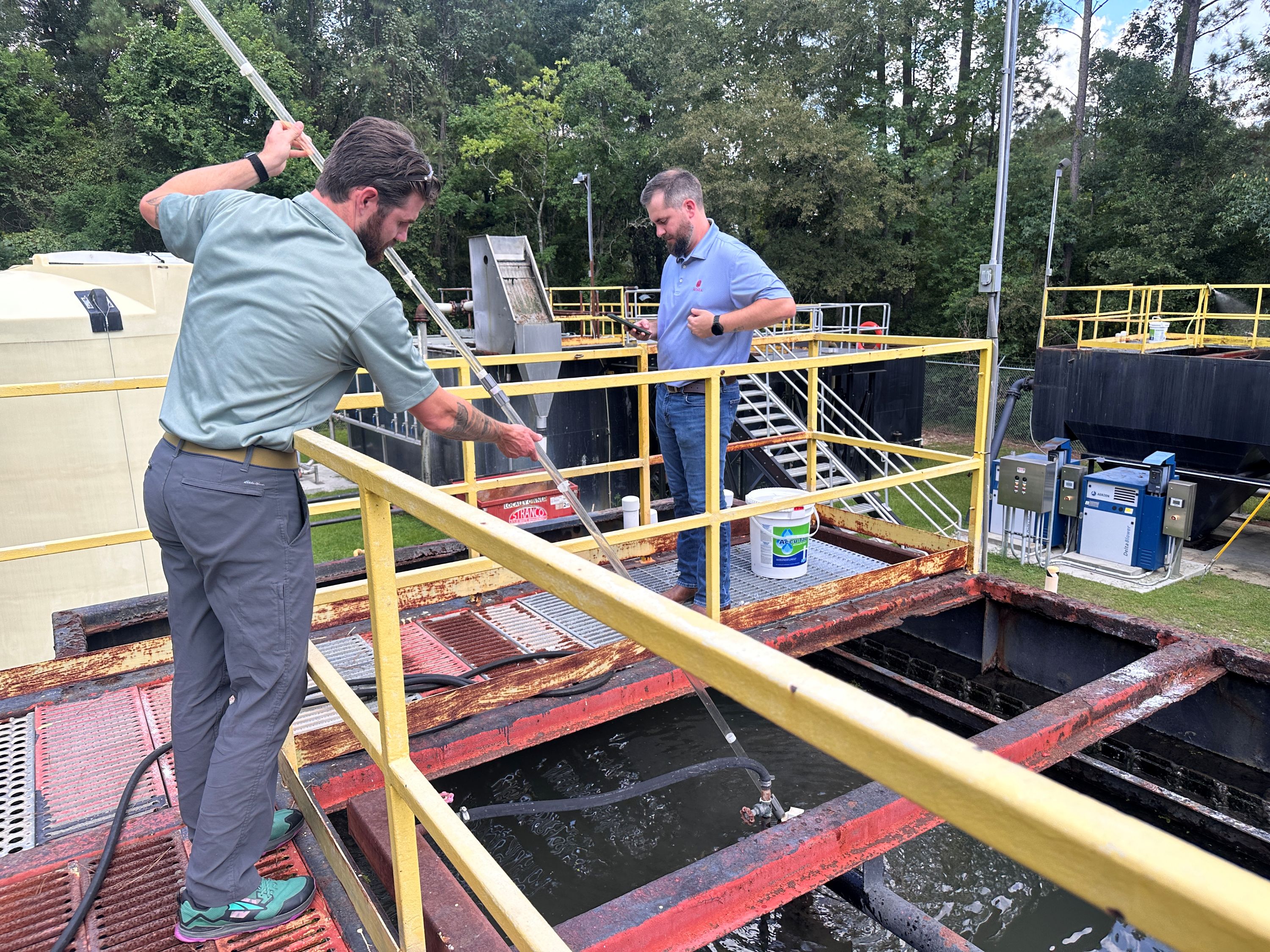
What I Enjoy Most is that I have Full Visibility at My Fingertips. Within A Few Minutes, I can have Any System Pulled Up on my Phone.

Mike Dick
Regional Director of Operations, CSWR